
PerPhage-Project Successfully Completed: Quality-Assured Phage Preparations for Personalized Therapy in Frankfurt
 Infections caused by antibiotic-resistant bacteria are on the rise worldwide. For patients who no longer have an effective antibiotic option, personalized therapy with bacteriophages may be an alternative. Bacteriophages (phages) are viruses that specifically infect and kill bacteria. However, to ensure their safe use, phage preparations must be of high purity. Impurities resulting from the manufacturing process—such as bacterial DNA, host cell proteins, or endotoxins—must be reliably removed. This is precisely where the PerPhage project, funded by the Frankfurt Foundation Quality of Medicines, comes in.
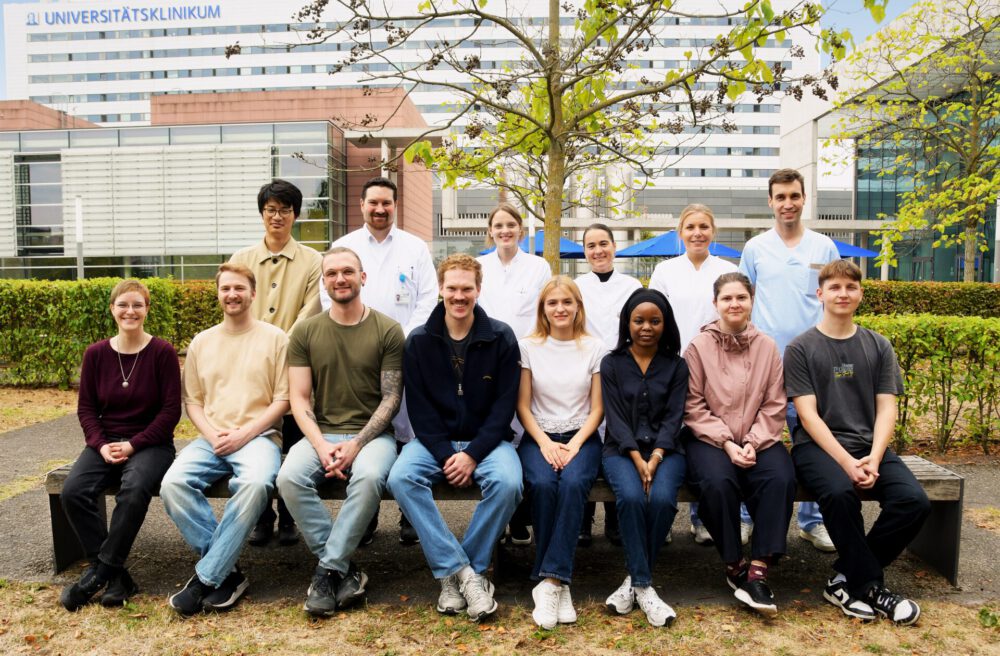
The project is based in the Infectious Diseases Division (headed by Prof. Dr. med. Maria J. G. T. Vehreschild) at Medical Clinic II of Frankfurt University Medical Center. Under the direction of PD Dr. med. Silvia Würstle, MBA, the team there developed a standardized, safe, and affordable method for the purification and quality control of therapeutic phages. This method was established, validated, and accepted by regulatory authorities
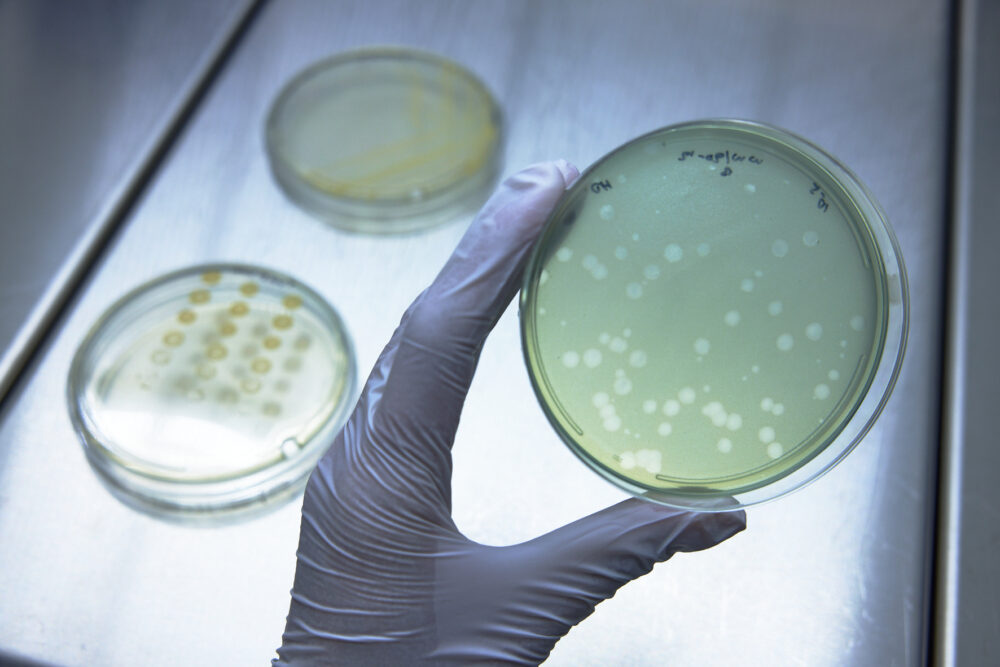
The multi-step purification process combines filtration and purification steps. In parallel, a broad range of quality control methods was established. These include determining phage concentration, molecular analyses—including sequencing of phage genomes before and after purification—detection of bacterial residues, and sterility testing. The results show that the multi-step purification process significantly reduces bacterial contamination while the phages retain their high infectivity.
The Frankfurt Foundation Quality of Medicines congratulates the team on this successful milestone and is pleased to have supported PerPhage, a project that has helped shape the drug quality of a new, personalized form of therapy from the very beginning.
Integration into a National and European Framework
The project is closely linked to the first AWMF S2k guideline on personalized bacteriophage therapy, which Ms. Würstle coordinated in a leading role together with Prof. Vehreschild, Dr. Claßen, and Dr. Lieberknecht-Jouy. The guideline was published in *Nature Medicine* on September 21, 2026. For the first time, it establishes a uniform framework for indication determination, manufacturing, quality assurance, and therapy monitoring.
The Frankfurt approach is also gaining attention at the European level: At the workshop of the European Parliament’s STOA Panel (Panel for the Future of Science and Technology) held on September 30, 2026, in
Brussels, Ms. Würstle presented the German approach and outlined prospects for the further development of phage therapy in Europe.
Another milestone was the regulatory inspection of the hospital pharmacy at Frankfurt University Medical Center, led by Dr. Nils Keiner, on August 20, 2026. During the inspection, the planned process for the compounding of phage preparations received a positive evaluation.


