

Welcome to the Frankfurt Foundation Quality of Medicines
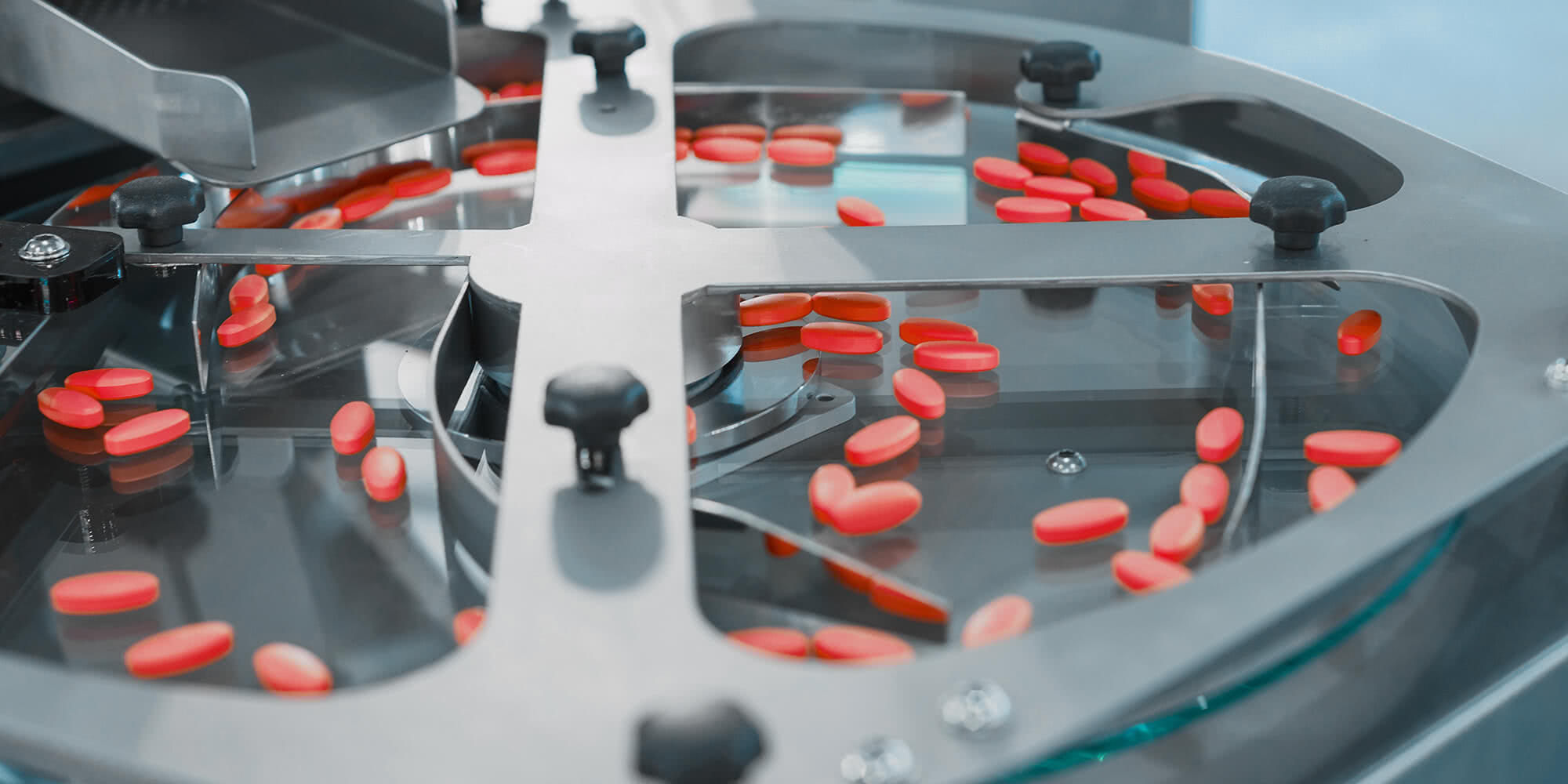
Every day, medicinal products make a decisive contribution to prevent diseases – especially serious ones – or alleviating ailments, extending the life expectancy of patients and improving their quality of life. In addition to our high expectations of the efficacy and safety of medicines, the pharmaceutical quality of the products is also particularly important with regard to patient care.
The Frankfurt Foundation Quality of Medicines (FFQM) is committed to promoting research activities that are designated to optimally assure the quality of medicinal products in Germany and Europe or, if necessary, further improving them, especially if they are manufactured outside the country. Main concern is the development of advanced processes, the implementation of innovative technologies and their standardization as well as a critical verification of quality assurance concepts.
Download the FFQM flyer here (PDF-File, ~200kB)
Recent news
October 5, 2026 · Funding Projekts
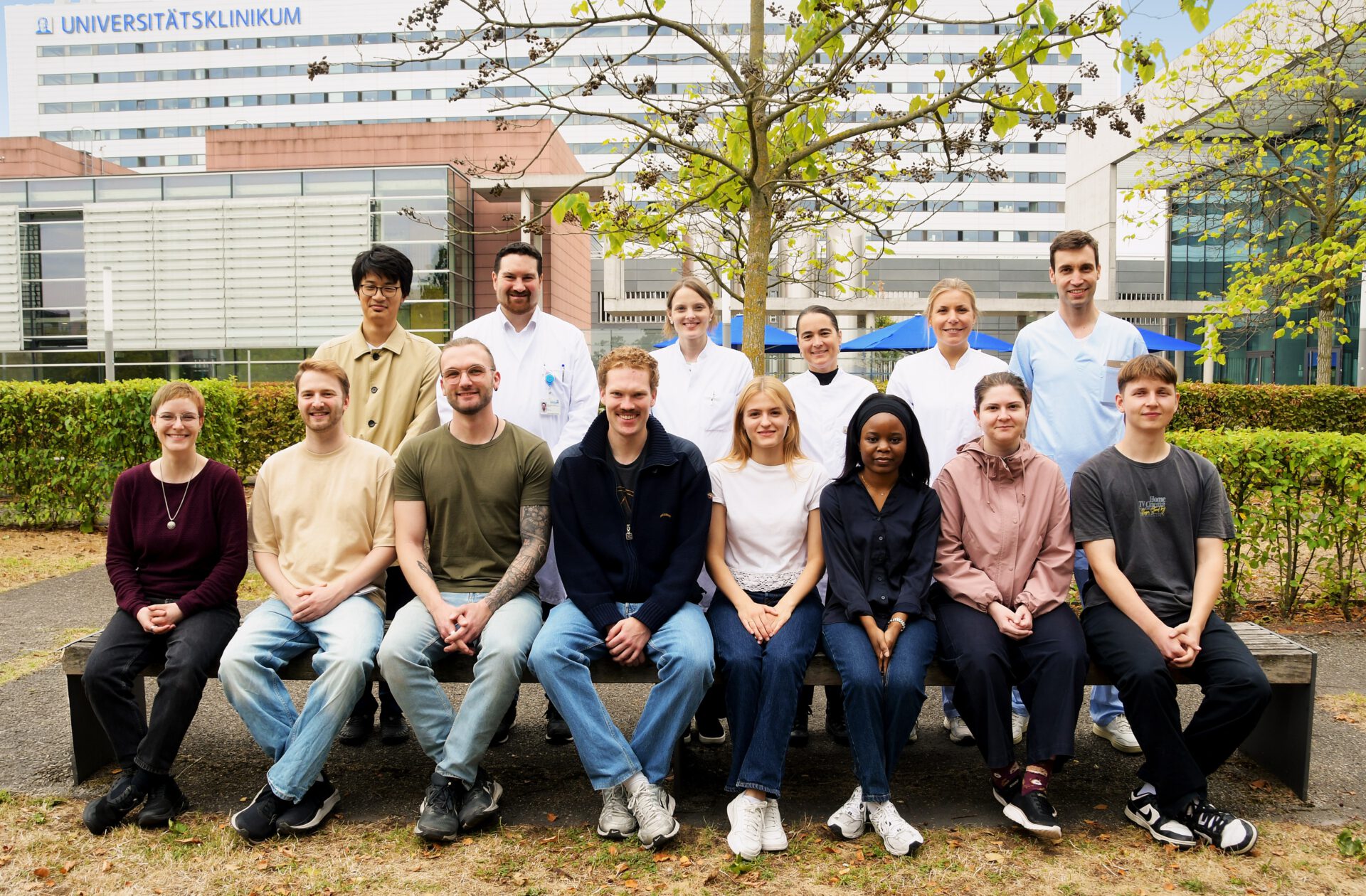
PerPhage-Project Successfully Completed: Quality-Assured Phage Preparations for Personalized Therapy in Frankfurt
In the treatment of infections caused by antibiotic-resistant bacteria, personalized therapy with bacteriophages can be a life-saving alternative. To ensure that phage preparations can be used safely, they must be of high purity. Contaminants resulting from the manufacturing process—such as bacterial DNA, host cell proteins, or endotoxins—must be reliably removed. This is precisely where the PerPhage project comes in, which has been funded by the Frankfurt Foundation Quality of Medicines since fall 2025.
The project is based in the Infectious Diseases Division (led by Prof. Dr. med. Maria J. G. T. Vehreschild) of Medical Clinic II at Frankfurt University Medical Center. Under the direction of PD Dr. med. Silvia Würstle, MBA, the team there developed a standardized, safe, and affordable method for the purification and quality control of therapeutic phages. This method was established, validated, and accepted by the regulatory authorities
The multi-step purification process combines filtration and purification steps. In parallel, a broad range of quality control methods was established. These include determining phage concentration, molecular analyses—including sequencing of phage genomes before and after purification—detection of bacterial residues, and sterility tests. The results show that the multi-step purification process significantly reduces bacterial contamination while the phages retain their high infectivity.
The Frankfurt Foundation Quality of Medicines congratulates PerPhage on this successful milestone and is pleased to have supported a project that has helped shape the drug quality of a new, personalized form of therapy from the very beginning.
September 29, 2026 · Prices and Awards
Quality of Medicines Award 2026 for Prof. Dr. Dominique Lunter and Jonas Link, University of Tübingen
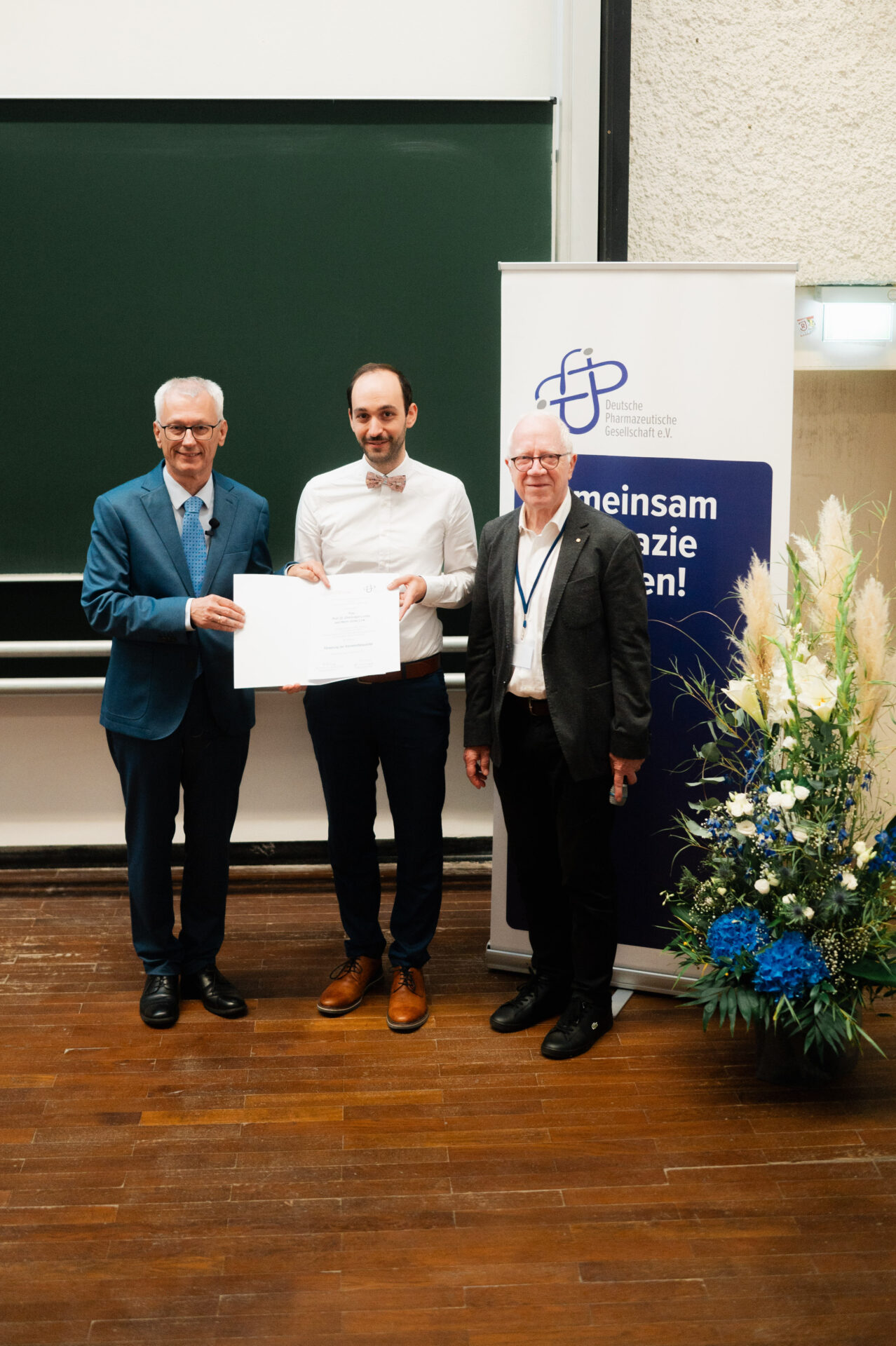
At its annual conference in Regensburg, the German Pharmaceutical Society (DPhG) presented the Quality of Medicines Award —endowed by the Frankfurt Foundation Quality of Medicines (FFQM)—to Prof. Dominique Lunter and Jonas Link from the Department of Pharmaceutical Technology at the University of Tübingen. The award recognized research on determining the bioequivalence of topical formulations using confocal Raman spectroscopy.
Jonas Link, who had conducted the project’s experimental work as part of his doctoral research, accepted the certificate and congratulations on behalf of the award recipients. Prof. Henning Blume, who, as chairman of the foundation’s board, presented the award together with the president of the DPhG, Prof. Ulrich Jaehde, emphasized in particular that the research group’s submitted work represented a very important contribution to the comparative evaluation of the efficacy of dermatological drugs with identical active ingredients. This issue has been debated internationally for several decades—so far without a generally accepted solution. The findings now presented are well-suited to help close this regulatory gap.
The award ceremony was accompanied by the hope that the research group will consistently continue its commitment to promoting drug quality in the field of dermatological agents. The award is endowed with €2,000.
August 11, 2026 · Funding Projekts
BOTCAT: Goal achieved
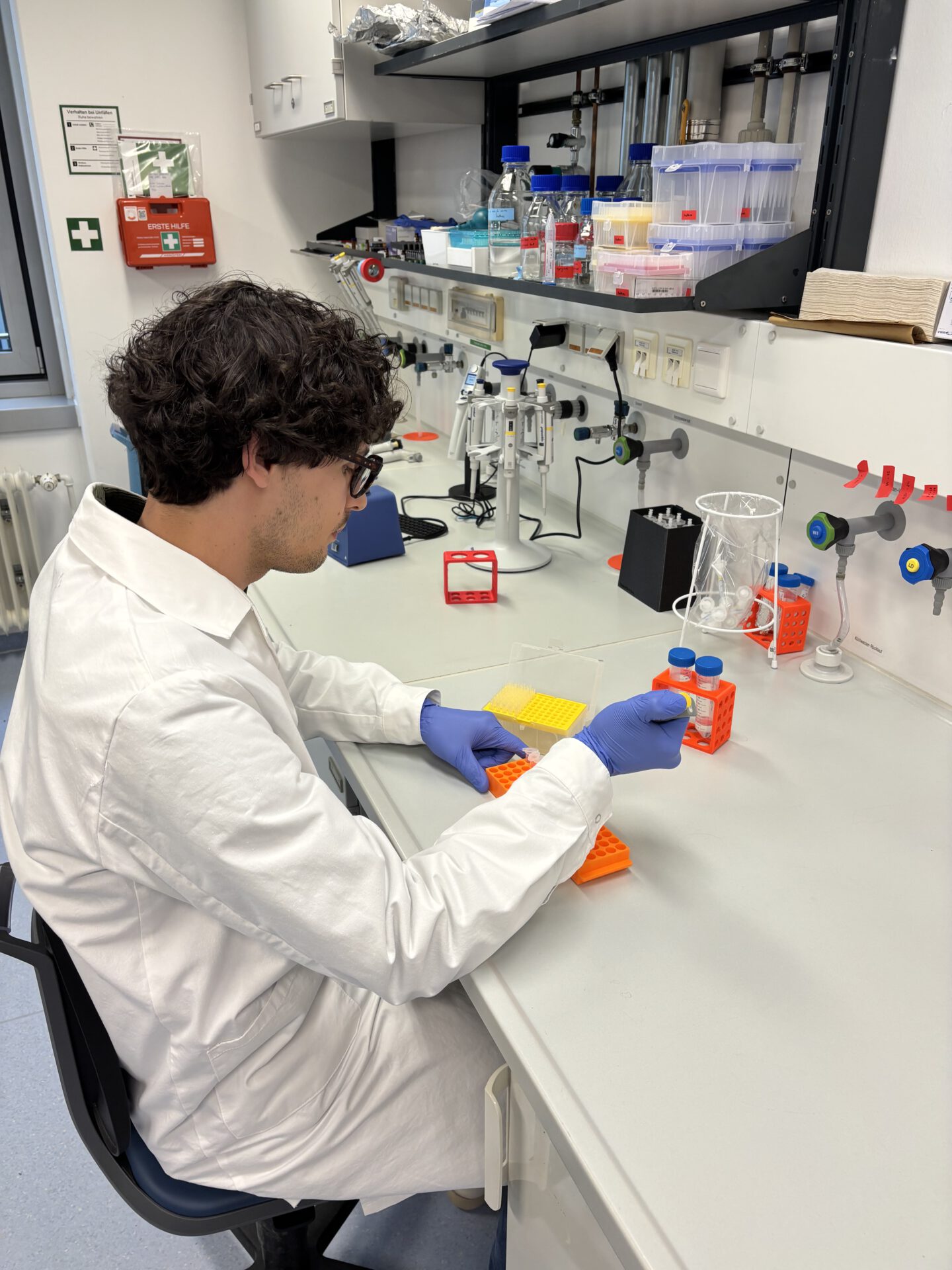
The Clinical Pharmacy and Pharmacotherapy Research Group, Department of Pharmacy, LMU Munich, led by Prof. Dr. #Oliver Scherf-Clavel, has successfully completed the pilot study “BOTCAT: Biomarkers to Guide Oral Targeted Cancer Therapies,” which was funded by the FFQM. We congratulate Mr. #Jonathan P. Sirois, who conducted the study as part of his dissertation, and the entire research team.
The working group is participating in the multicenter, non-interventional ON-TARGET study on therapeutic drug monitoring (TDM) in patients with renal cell carcinoma (RCC). The BOTCAT pilot study utilized longitudinal samples from the multicenter ON-TARGET study (>400 plasma samples from 40 RCC patients treated with axitinib or cabozantinib) to use plasma proteomics to identify potential biomarkers for adverse drug reactions (ADRs) in patients treated with the oral tyrosine kinase inhibitors (TKIs) axitinib or cabozantinib. The goal was to establish a preliminary data set and generate hypotheses for follow-up studies.
The pilot study shows that severe adverse events (AEs) during treatment with axitinib and cabozantinib are associated with distinct, time-resolved changes in circulating protein signatures, as measured in longitudinally collected liquid biopsy (plasma) samples. BOTCAT was able to generate the preliminary data set and the hypotheses it was designed to test, thereby providing proof of concept for further investigations in a larger cohort, such as the entire ON-TARGET study population.
August 4, 2026 · Events
Expertmeeting „Pharmaceutical Analytics—Current Status and Outlook(s): Small Molecules, Biotech Products & Nanomedicines“
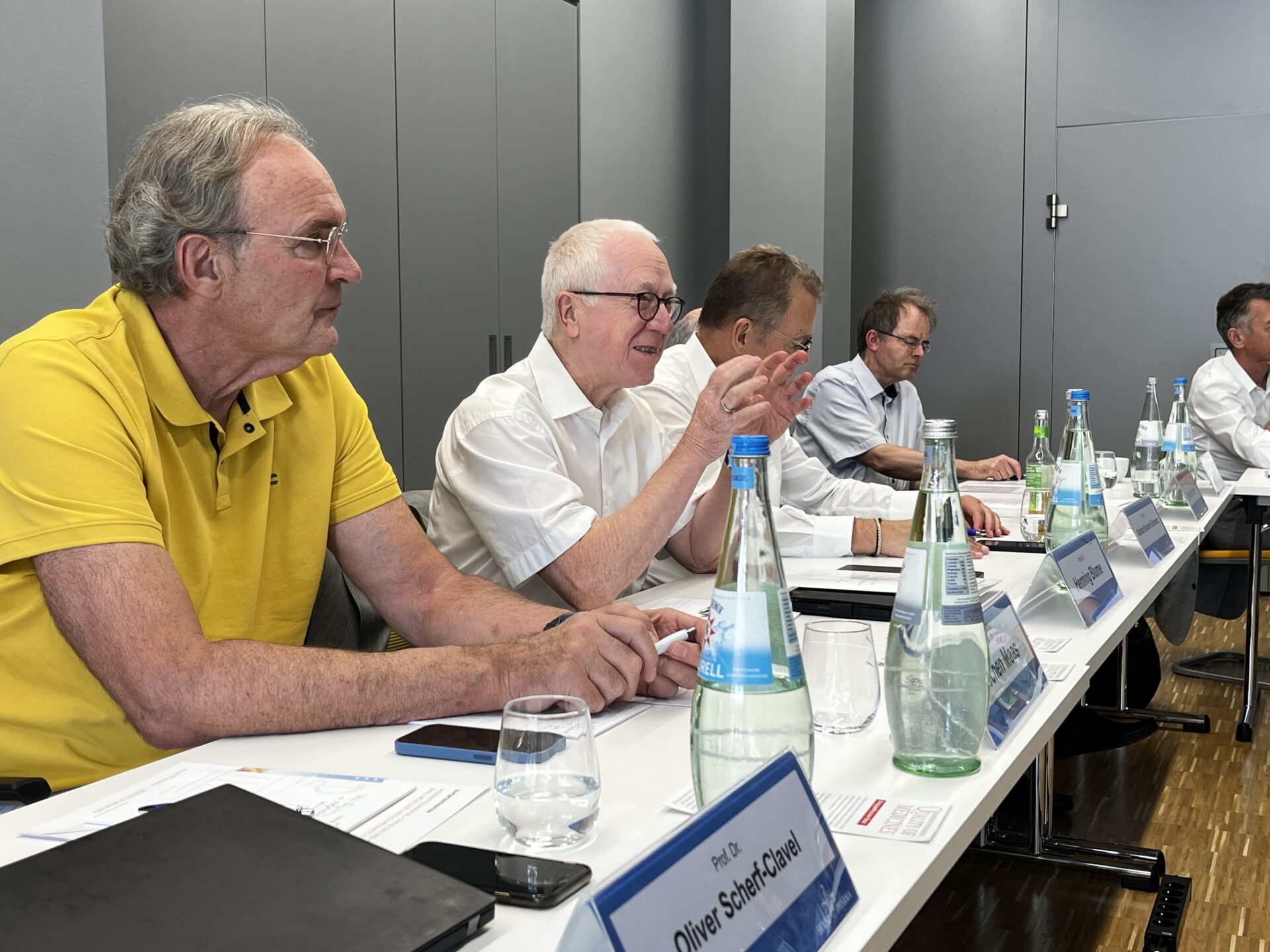
On July 16, 2026, experts from academia, industry, and government agencies gathered at the Fraunhofer Institute for Translational Medicine and Pharmacology (ITMP) in Frankfurt am Main for the expert meeting titled “Pharmaceutical Analytics—Current Status and Outlook(s): Small Molecules, Biotech Products & Nanomedicines.” The event was hosted by the House of Pharma & Healthcare and the Frankfurt Foundation Quality of Medicines. Prof. Dr. Manfred Schubert-Zsilavecz and Prof. Dr. Henning Blume opened the meeting on behalf of the two institutions. Discussions focused on current analytical and regulatory challenges for ensuring the quality of finished pharmaceutical products throughout their entire product lifecycle. The central question was how pharmaceutical analytics can continue to guarantee quality, safety, and trust in the face of increasingly complex products, manufacturing processes, and data volumes.
High-resolution mass spectrometry and other modern techniques enable increasingly precise characterization of molecular structure, even for highly complex pharmaceuticals such as biologics and nanomedicines. However, as analytical capabilities expand, a tension arises between technological progress and regulatory classification. What is technically possible is not necessarily relevant to quality assurance. At the same time, established regulatory requirements may not be sufficient to adequately address all new risks associated with these complex product classes.
Moderated by Prof. Dr. Manfred Schubert-Zsilavecz and Prof. Dr. Stefanie Kaiser, participants from universities, pharmaceutical manufacturers, and regulatory agencies discussed how to address the future opportunities and challenges in pharmaceutical analytics.
A statement titled “Pharmaceutical Analytics—A Cornerstone of Quality Control” is currently being prepared; it summarizes the key findings and conclusions, as well as the resulting recommendations and calls for action from the expert panel. The statement is currently being reviewed and finalized with the meeting participants.
July 24, 2026 · Funding Projekts
“Untargeted Profiling of Protein Pharmaceuticals” Project Successfully Completed
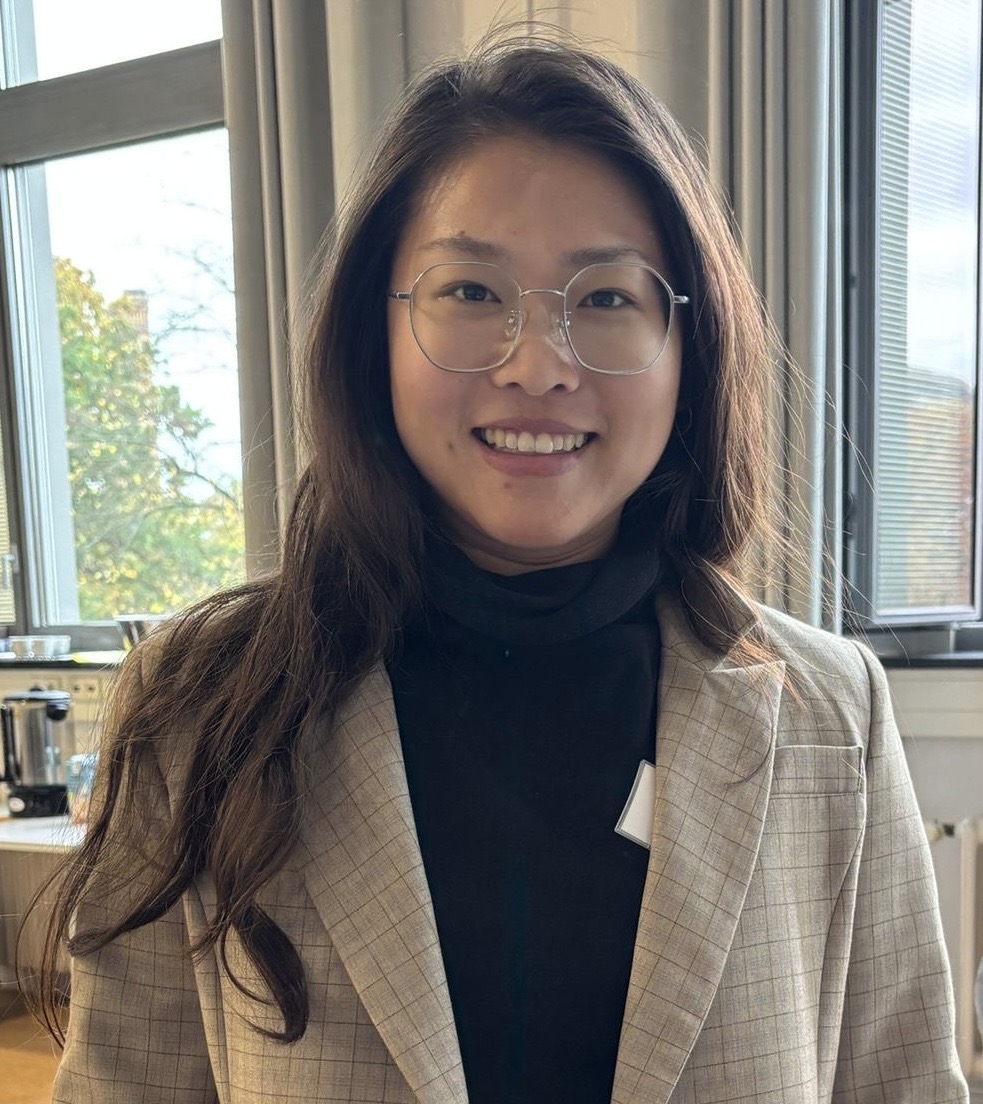
We congratulate Ms. Yipei Yang on the successful completion of the project “Untargeted Profiling of Protein Pharmaceuticals: Simultaneous Determination of Identity, Protein Damage, as well as Unknown By-products and Adulterations,” which was funded by the Frankfurt Foundation Quality of Medicines (FFQM). She conducted this work as part of her master’s thesis and subsequent doctoral dissertation in the research group of Prof. Monika Pischetsrieder at the Chair of Food Chemistry at Friedrich-Alexander University Erlangen-Nuremberg.
Using an optimized, untargeted LC-MS/MS-based protein profiling workflow for the protein drug filgrastim, she developed a method that enables the simultaneous determination of protein identity as well as the detection of protein modifications and damage. Through supplementary stress tests, she was able to demonstrate that the workflow reliably detects oxidative, glycative, and deamidation-related changes and is therefore suitable for quality control. The complete sequence coverage achieved also allowed for the detection of microheterogeneities that may be relevant to the efficacy of protein-based drugs.
By optimizing data analysis—particularly of the PTM databases and the analysis parameters—the number of false-positive modification assignments was significantly reduced, and the reliability of the analysis was improved.
The results demonstrate that the developed workflow can reliably detect both pronounced and subtle protein alterations. Building on this, the method is currently being expanded to investigate potential impurities and adulterations in filgrastim preparations and is intended to be applied to other protein-based drugs in the future.
July 17, 2026 · Prices and Awards
Lifetime Achievement Award presented to Dr. Joachim Ermer
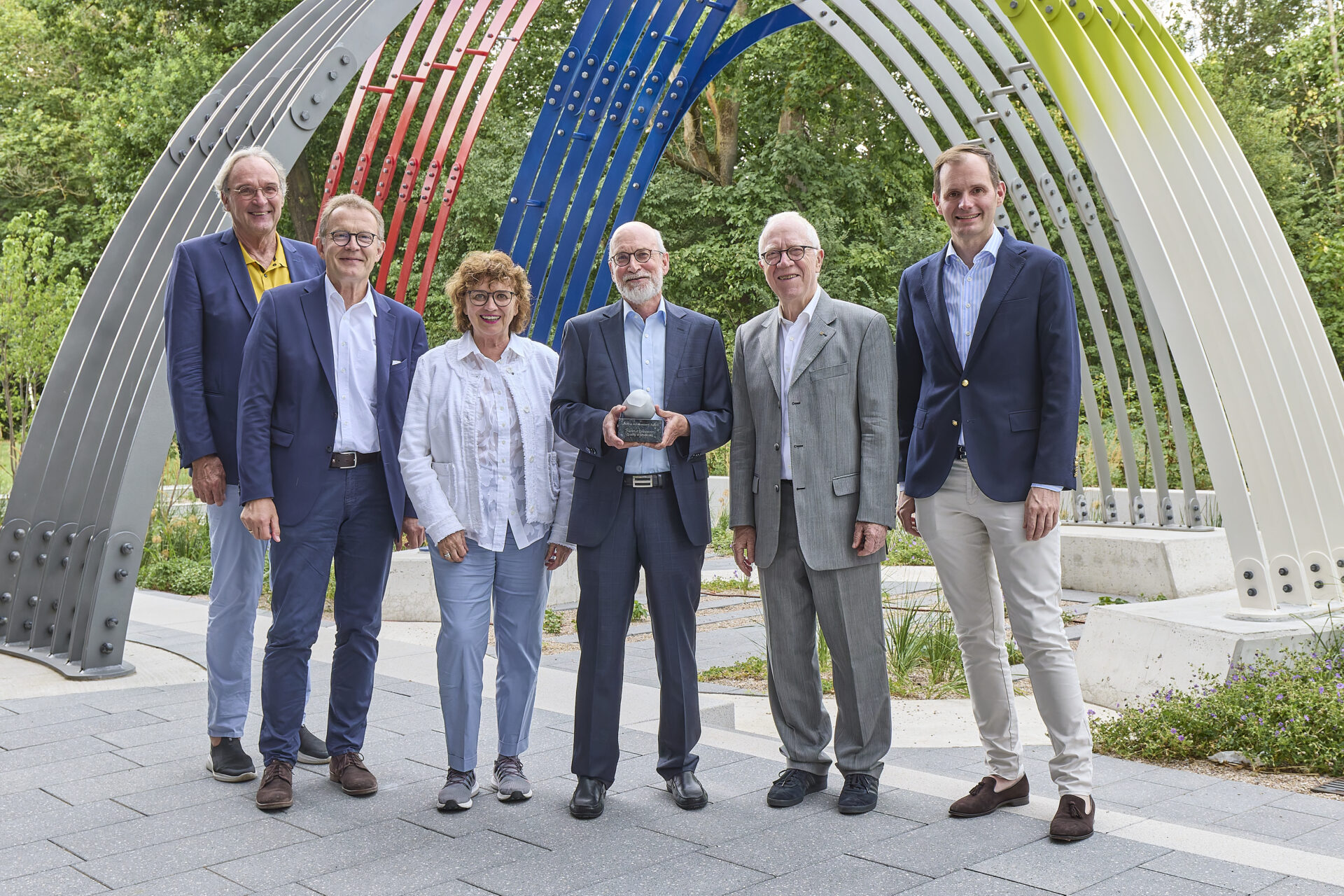
With this award, the Frankfurt Foundation Quality of Medicines (FFQM) recognizes the extraordinary achievements of Dr. Joachim Ermer in the field of pharmaceutical analytics and his outstanding contributions to improving the quality and efficacy of medicinal drugs.
The awards ceremony took place as part of the expert meeting “Pharmaceutical Analytics—Current Status and Outlook(s): Small Molecules, Biotech Products & Nanomedicines” on July 16, 2026, at the Fraunhofer Institute for Translational Medicine and Pharmacology ITMP in Frankfurt am Main, a joint event organized by House of Pharma and the FFQM.
Joachim Ermer, who holds a degree in biochemistry, is a proven and internationally recognized expert in the field of pharmaceutical analysis. In his laudatory speech, Prof. Hermann Wätzig of the Technical University of Braunschweig and a member of the FFQM Scientific Advisory Board highlighted Dr. Ermer’s significant contributions in this field. During his career in the pharmaceutical industry—which began at Hoechst AG as a laboratory manager and concluded at Sanofi—he gained expertise in validation and statistics. He focused on general concepts for method development and validation and harmonized methods within the company worldwide, and soon thereafter across the entire corporate group on a global scale. During this time, he became an expert at the USP (U.S. Pharmacopeia) and the EFPIA (European Federation of Pharmaceutical Industries and Associations) and participated in the ICH (International Council for Harmonization) process in both capacities. Some of the ICH guidelines recognized worldwide today bear his mark. He played a key role in shaping the quality of pharmaceuticals, strategies for method development, validation concepts, and life cycle management as we know it today.
In his keynote address, “Analytics Isn’t Everything—But Without Analytics, Everything Is Nothing,” Prof. Dieter Steinhilber of Goethe University Frankfurt provided an engaging and vivid account of the discipline’s importance for the quality of pharmaceuticals.
Following the presentation of the Gömböc—the sculpture traditionally awarded as a visible symbol of the FFQM’s Lifetime Achievement Award—the participants at the expert meeting congratulated Dr. Ermer on this well-deserved honor.
The Frankfurt Foundation Quality of Medicines congratulates Dr. Ermer and is pleased to honor him as an outstanding representative of industrial pharmaceutical quality control


